
Refined seasonal color and garden compositions designed to complement Hamptons homes and landscapes.

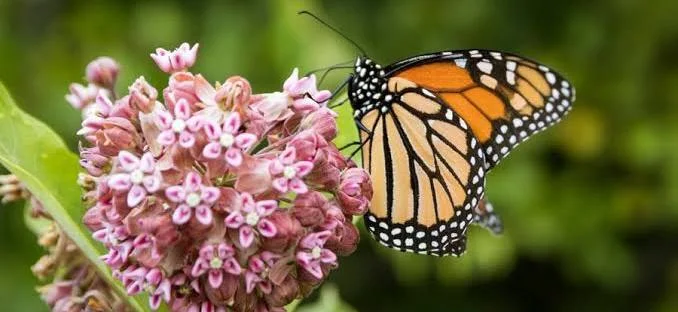
Ready for a Garden That Evolves With the Seasons?
A seasonal planting plan keeps your landscape looking fresh, balanced, and vibrant from the first blooms of spring through the colors of fall. Inquire about a custom planting plan for your property.
Succession Blooming
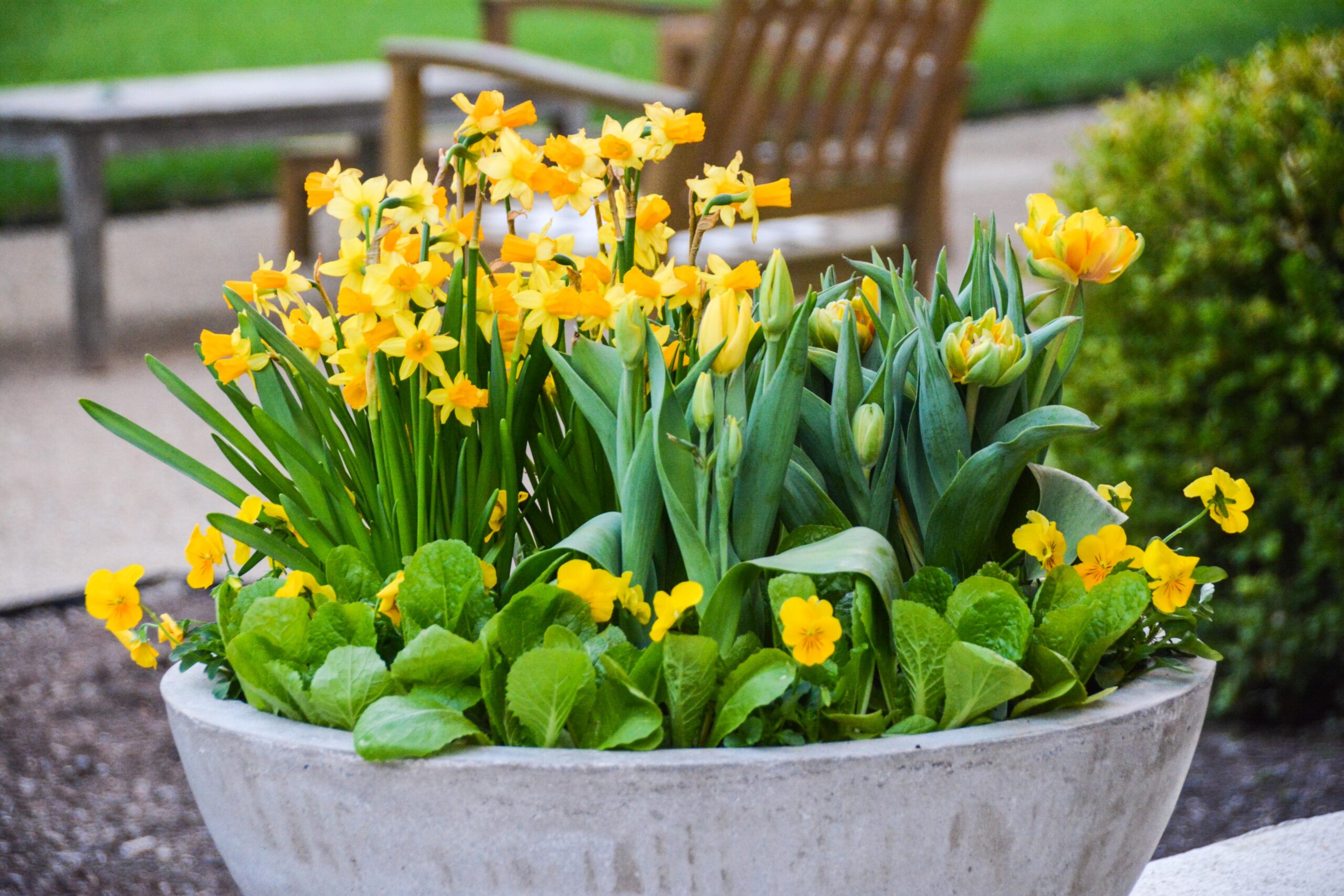
Spring Awakens
Early blooms signal the start of the season.
Typical plantings
-
Flowering trees
-
Tulips & daffodils
-
Early perennials
Soft color and fresh growth bring the garden out of winter dormancy.
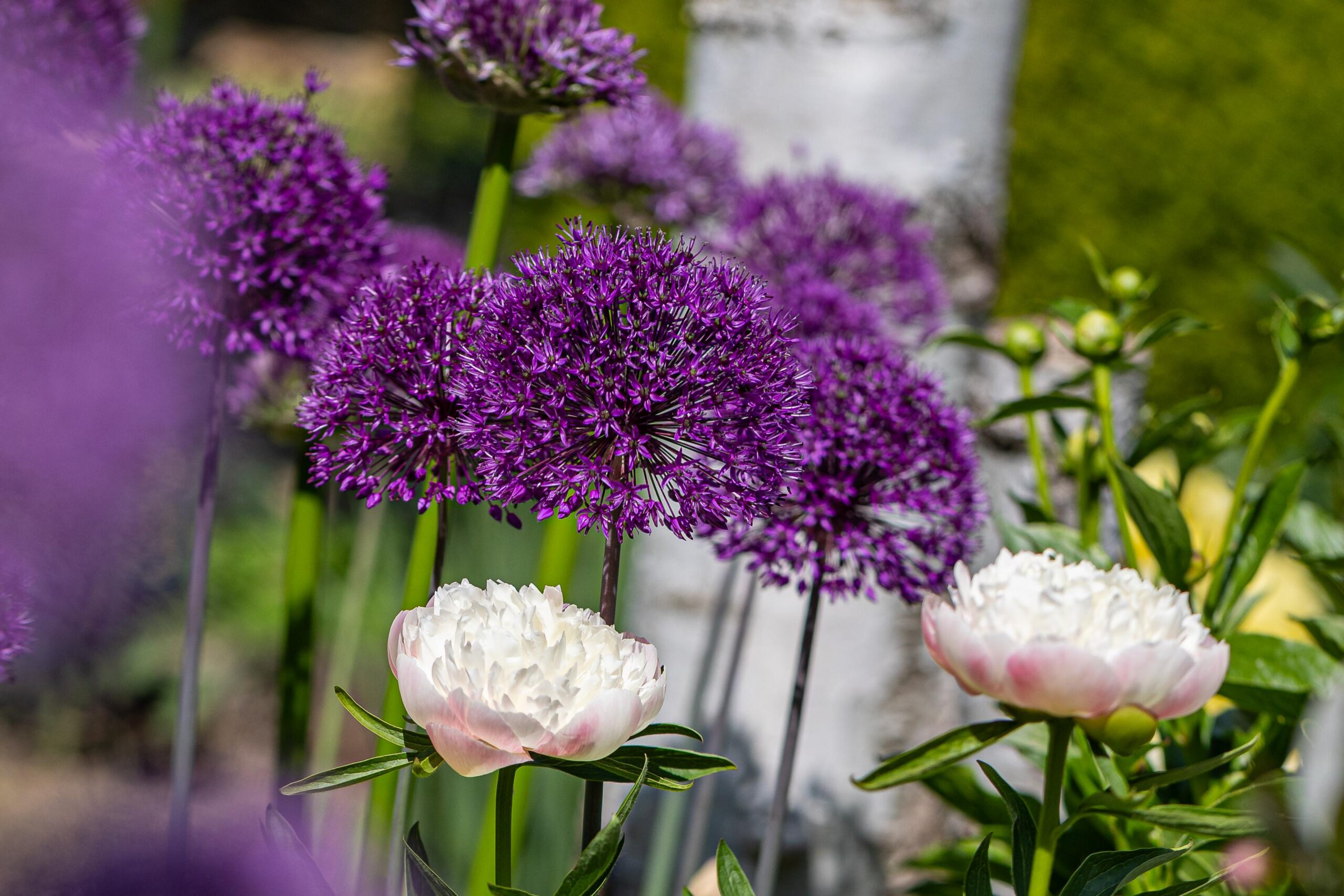
Late Spring Layers
As spring bulbs fade, new textures and flowers emerge.
Typical plantings
-
Allium
-
Peonies
-
Perennial borders
-
Flowering shrubs
The garden becomes fuller and more structured.
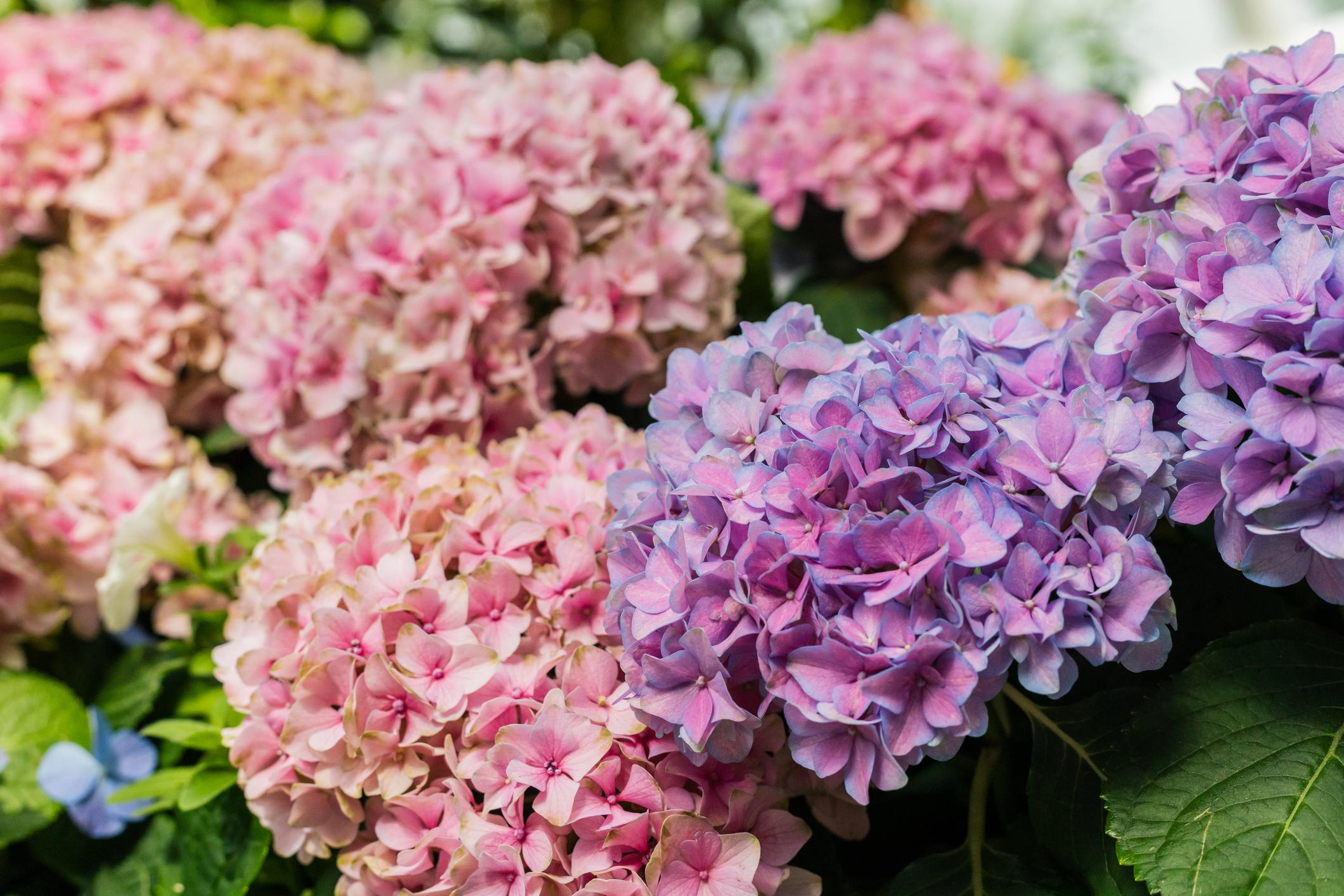
Summer In Full Bloom
Summer delivers the most lush and vibrant displays.
Typical plantings
-
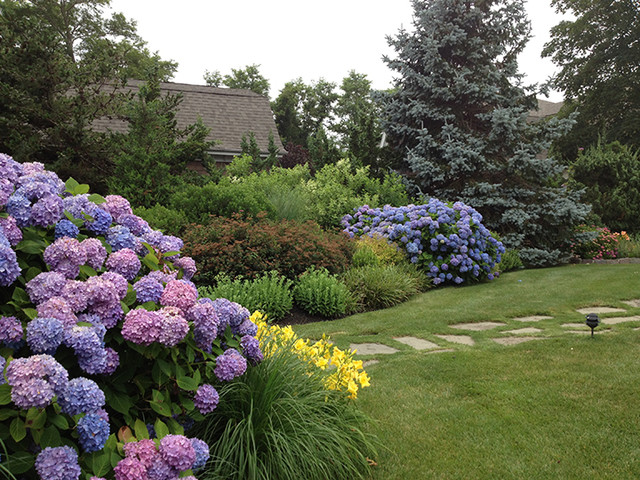
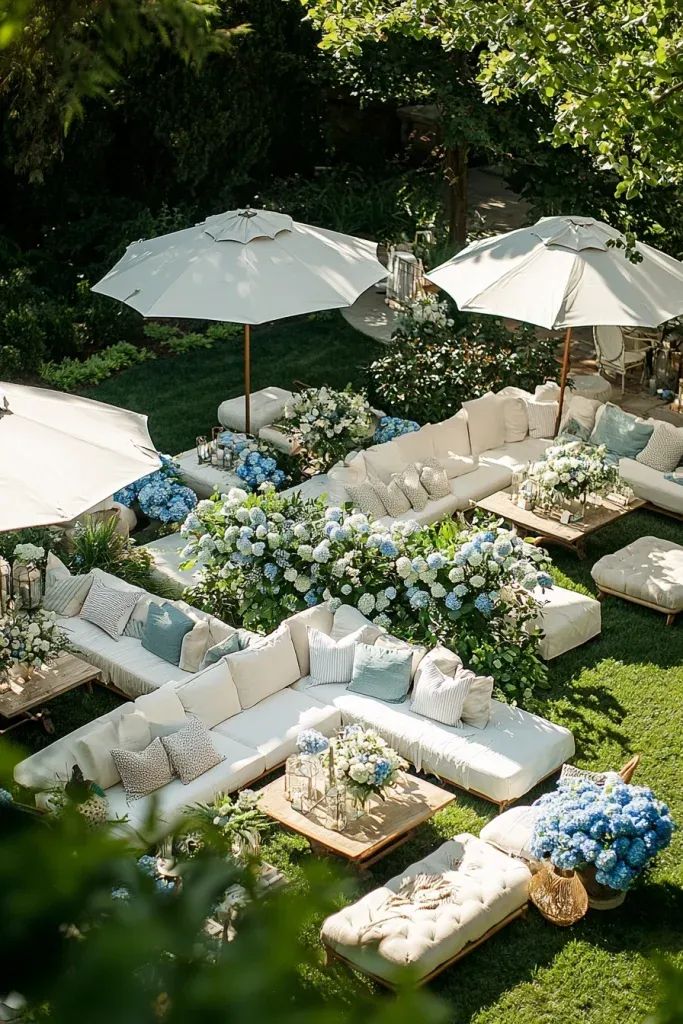
Hydrangeas
-
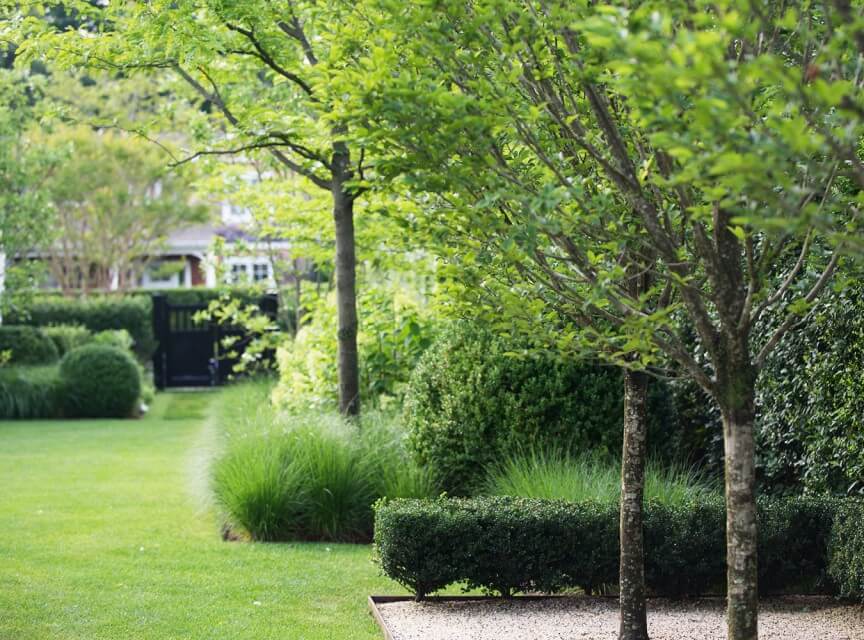
Ornamental grasses
-
Lavender
-
Roses
Outdoor spaces feel alive and perfect for entertaining.
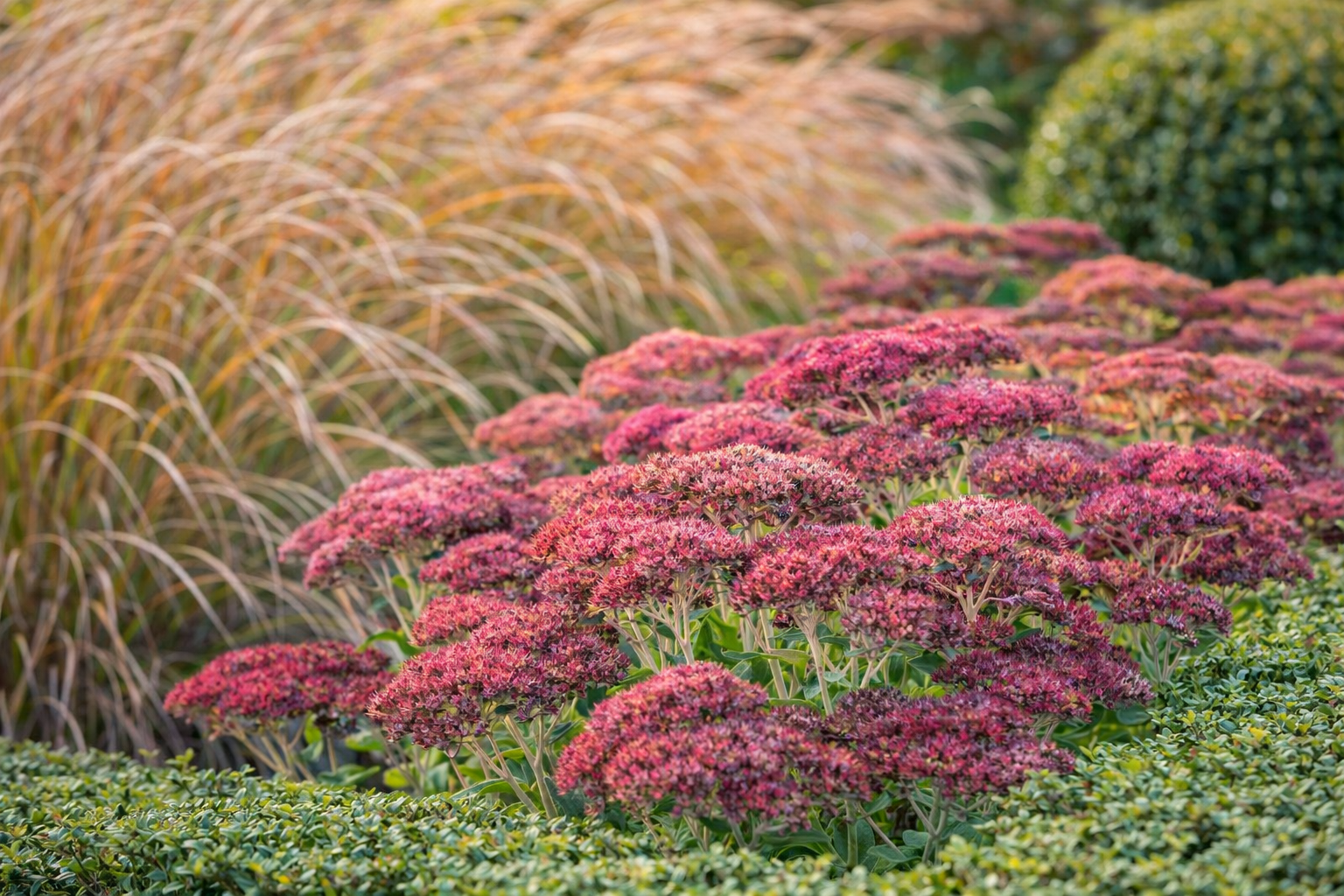
Autumn Transitions
Late-season plantings extend beauty into fall.
Typical plantings
-
Sedum
-
Anemone
-
Ornamental grasses
-
Seasonal foliage color
Warm tones and texture carry the garden toward winter.
Smart Design Tips for a Seasonal Coastal Garden
1. Choose Salt- and Wind-Tolerant Plants
Coastal environments can be harsh, with strong winds, salt spray, and sandy soil. Select plants that naturally thrive in these conditions:
- Ornamental grasses: Blue fescue, pampas grass, miscanthus
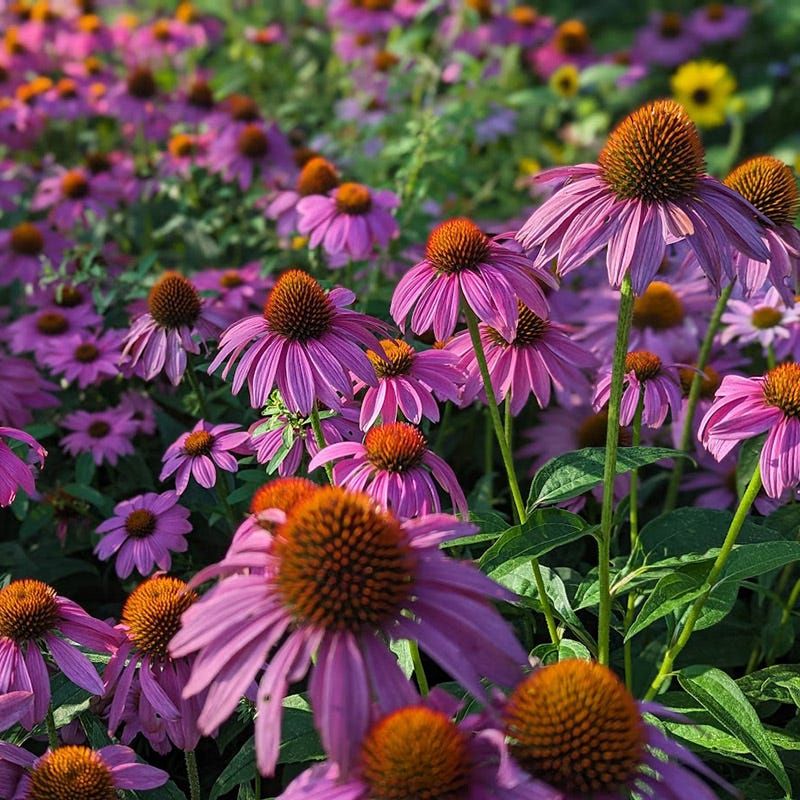
- Perennials: Lavender, echinacea, salvia, agapanthus
- Shrubs & small trees: Coastal rosemary, boxwood, crape myrtle
- Groundcovers: Ice plant, creeping thyme, sea thrift
Mixing textures—grasses for movement, shrubs for structure, and perennials for seasonal color—creates visual interest.
2. Layer for Structure and Seasonal Interest
Design your planting from back to front:
- Tallest layer: Trees and large shrubs like crape myrtle
- Mid-height layer: Flowering shrubs and perennials such as hydrangeas or roses
- Front layer: Low-growing perennials, succulents, and groundcovers
This layered approach ensures blooms at multiple heights and adds depth to your garden.
3. Stick to a Cohesive Color Palette
- Limit your palette to 2–3 main colors for visual harmony.
- Coastal gardens often shine with blues, whites, silvers, and soft pinks.
- Repeat colors in drifts throughout the garden for a cohesive seasonal flow.
4. Plan for Year-Round Interest
- Use evergreen shrubs like boxwood or rosemary for structure in winter.
- Include spring bulbs (daffodils, tulips) for early-season color.
- Summer perennials such as salvia and agapanthus provide midsummer vibrancy.
- Fall interest comes from ornamental grasses and hydrangea blooms.
- Winter color can be maintained with coastal roses or evergreen accents.
5. Prepare Soil, Mulch, and Drainage
- Amend sandy coastal soils with organic matter or compost.
- Use mulch, such as pine bark or crushed shells, to retain moisture and reduce salt stress.
- Raised beds or berms improve drainage and protect delicate plants from wind-blown sand.
6. Consider Wind and Sun Exposure
- Windbreaks such as hedges or lattice screens protect delicate plants.
- Ensure full-sun lovers, like roses and salvia, receive at least 6 hours of sunlight daily.
- Low-growing plants along edges can serve as natural buffers against strong coastal winds.
7. Seasonal Maintenance Tips
- Prune in late winter or early spring to maintain shape and encourage flowering.
- Deadhead perennials to prolong bloom periods.
- Rinse leaves after storms to prevent salt damage.
- Fertilize plants according to their needs, as coastal soils are often nutrient-poor.
8. Enhance the Coastal Theme with Decor
- Incorporate driftwood, shells, or stone edging for visual interest.
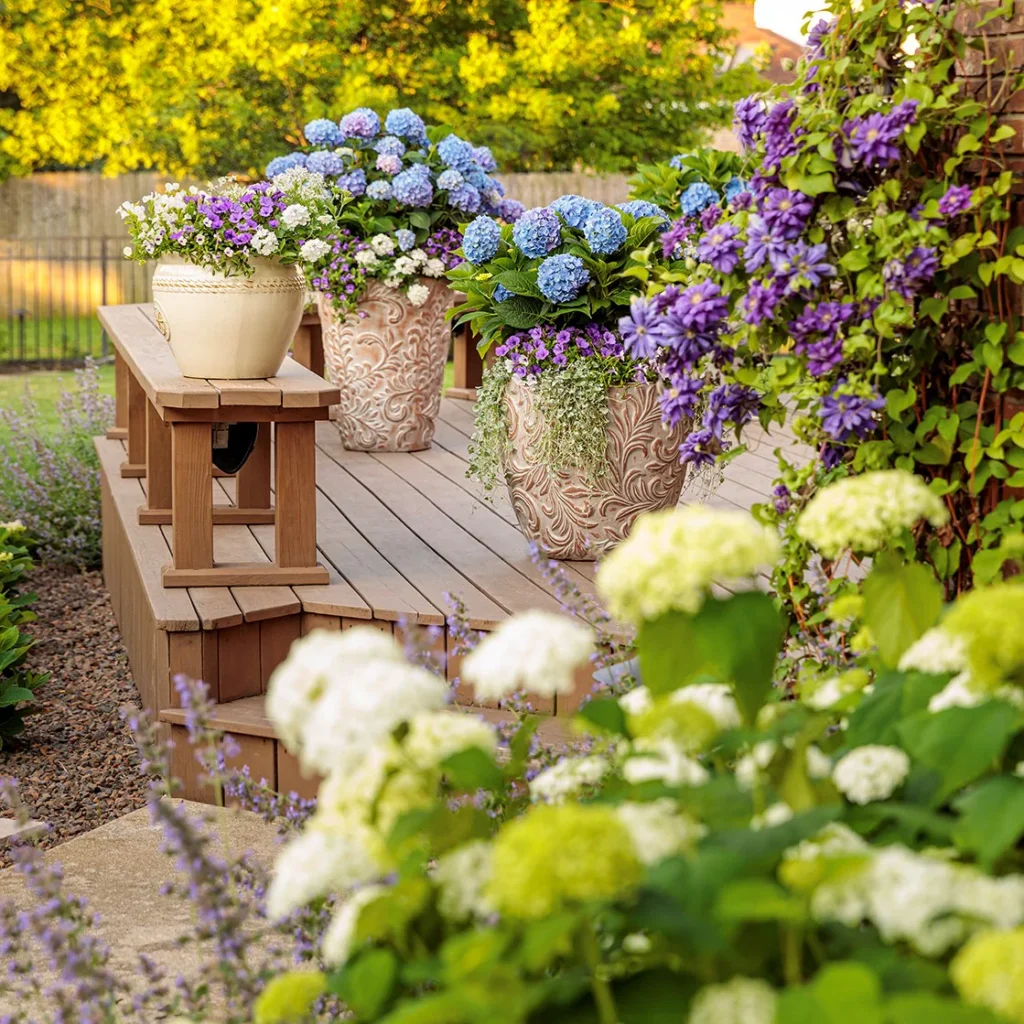
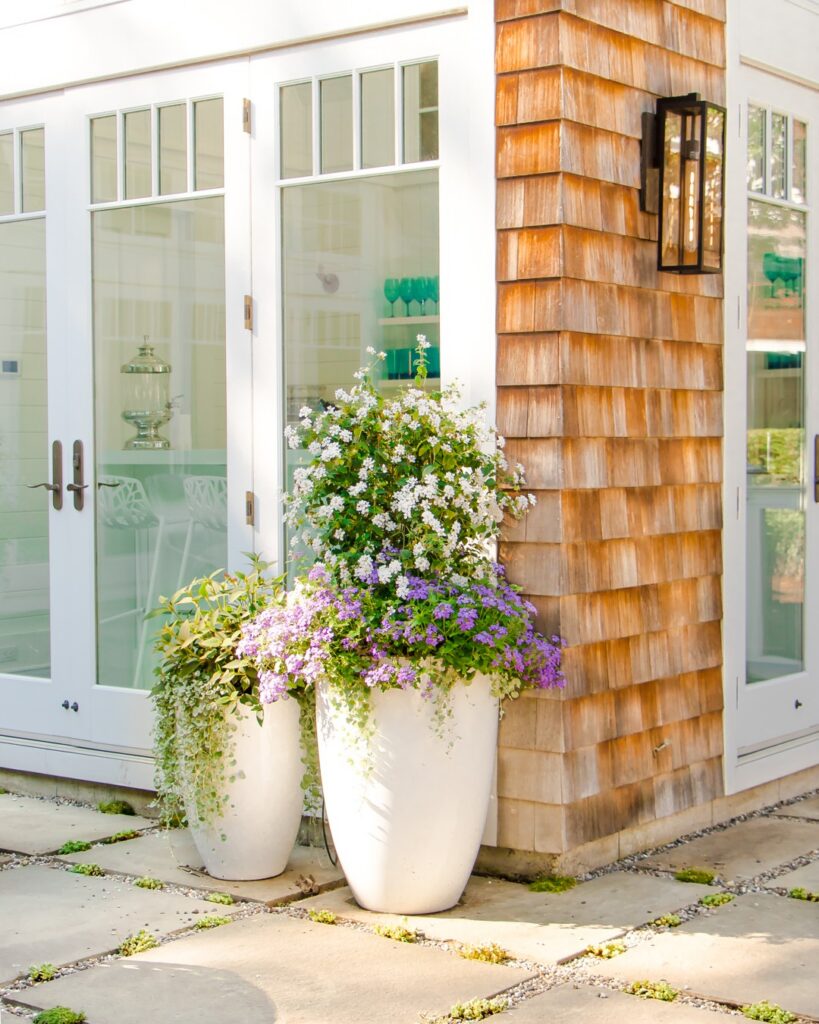
- Use containers for flexible seasonal planting.
- Crushed shell or sand pathways complement the garden’s aesthetic and improve drainage.