• Skip to main content
  • Skip to footer
Creative Designs Landscapes

Creative Designs Landscapes

Landscaping Experts in the Hamptons

(631) 488-0064  Contact Us
  • Home
  • Services
    • Landscape Design
    • Landscape Contruction
    • Landscape Lighting
    • Property Maintenance
    • Outdoor Living
    • Masonry
    • Native Revegetation
    • Sustainable Landscaping
    • Seasonal Planting
    • Tree Services
  • Projects
  • About
    • Our Process
    • Architects
    • Careers
  • Contact
  • RESOURCES
    • Blog
    • Resource Library
    • FAQ
    • Service Area
      • All Service Areas
      • Bridgehampton
      • East Hampton
      • Sag Harbor
      • Sagaponack
      • Southampton
      • Wainscott
      • Water Mill
      • Westhampton
Southampton, NY Native Revegetation

Native Revegetation in the Hamptons: Balancing Structure and Color

FOLLOW US ON SOCIAL MEDIA

Follow. Like. Share
Revegetation in the Hamptons isn’t just about meeting environmental requirements. It’s about restoring the land in a way that still feels intentional, elevated, and aligned with the property. Between coastal exposure, sandy soils, and local regulations, native planting becomes the most effective way to rebuild a landscape that lasts.

The hesitation many homeowners have isn’t about using native plants. It’s about how it will look. There’s a common assumption that revegetation leads to overgrowth, lack of control, or too much color. In reality, the outcome depends entirely on how it’s designed.

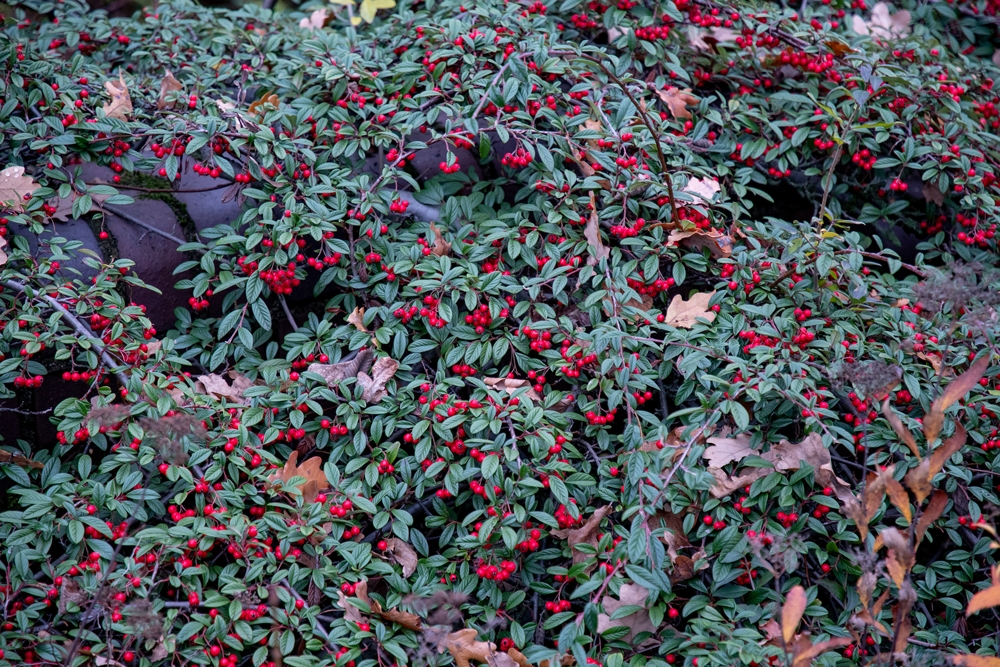
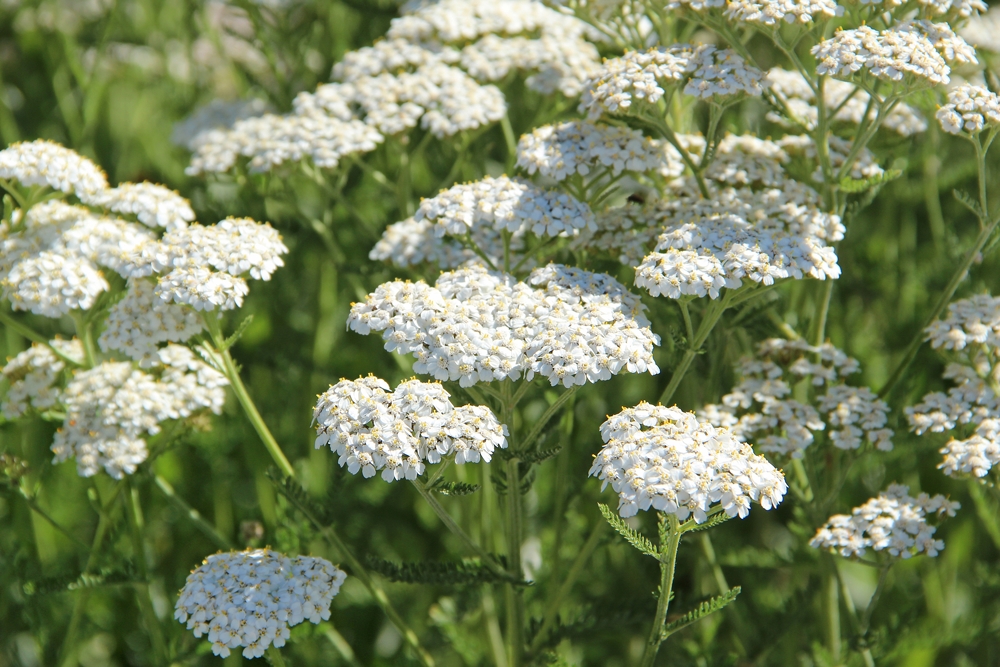
Native plants are already adapted to the exact conditions that challenge most landscapes here, including wind, salt exposure, and fast-draining soil. That means stronger root systems, lower water requirements, and significantly less long-term maintenance. Beyond performance, native revegetation supports the surrounding ecosystem by attracting pollinators, birds, and beneficial insects, creating a landscape that feels active rather than static.

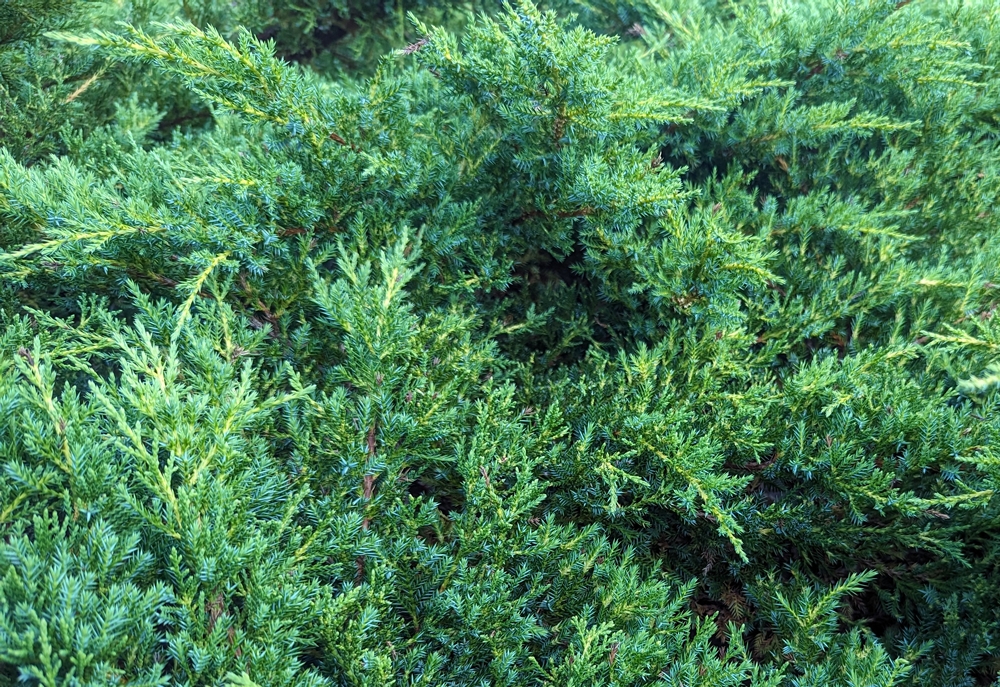
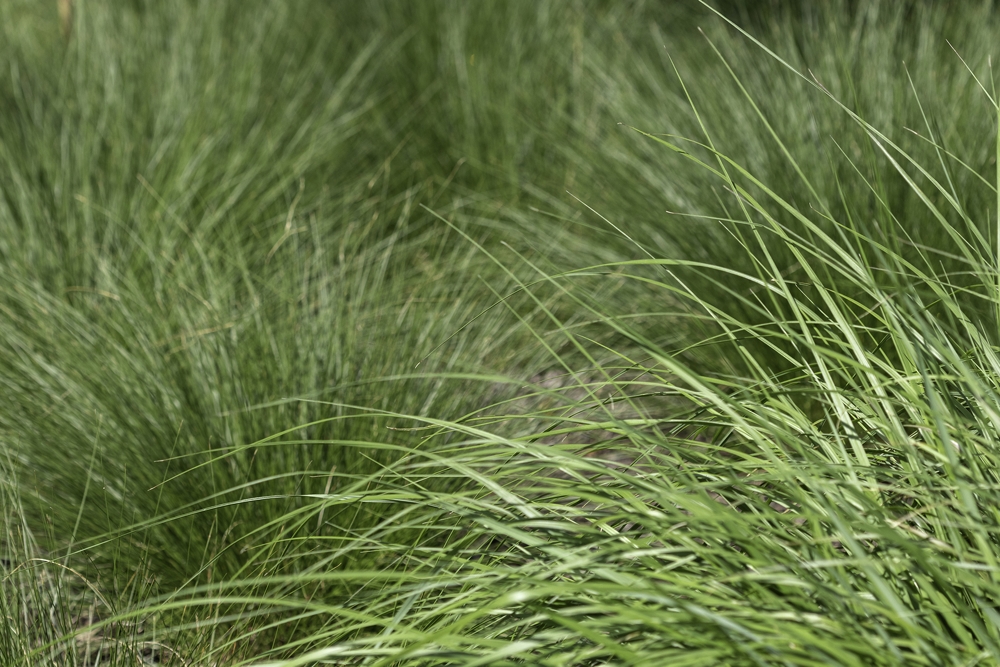
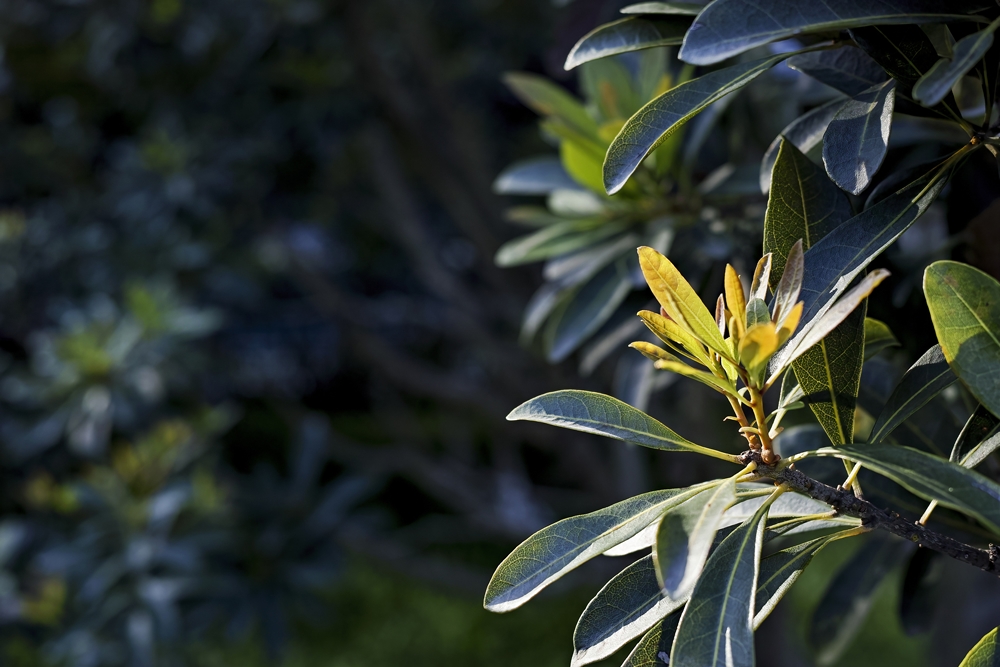
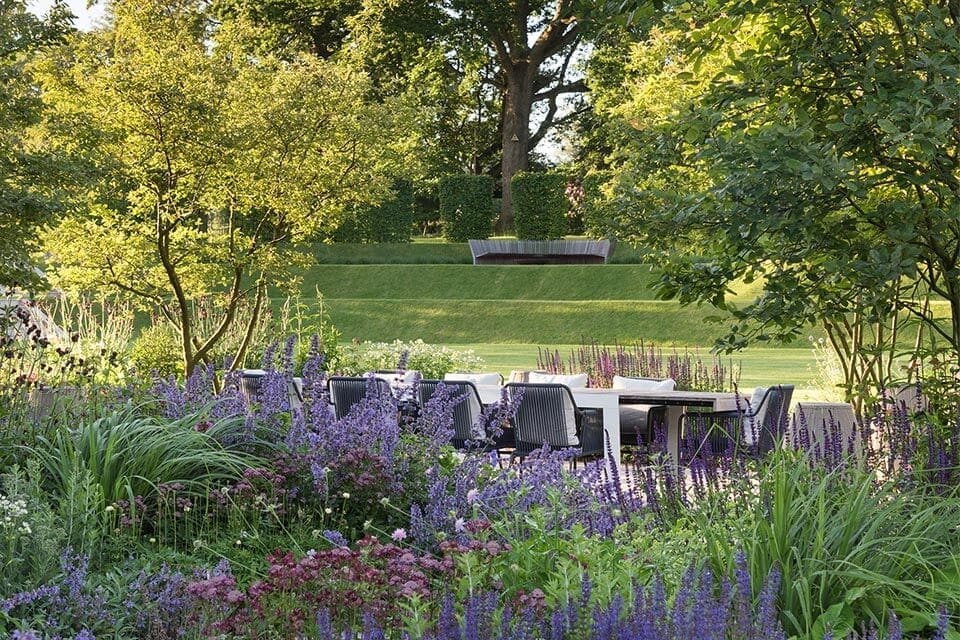
Structure is what keeps native planting from feeling uncontrolled. A well-designed revegetation plan starts by defining the framework of the property. This includes screening along property lines, anchoring planting around the home, and creating clear edges between lawn, beds, and naturalized areas. Repetition becomes important here. Using a select group of native shrubs and grasses consistently across the property creates cohesion and visual order. A restrained palette of greens, soft whites, and subtle seasonal tones keeps the landscape aligned with Hamptons architecture. Bayberry works well for soft evergreen massing, inkberry holly introduces a more formal structure, and switchgrass adds movement without overwhelming the design. When structure is established first, the landscape immediately feels more intentional.

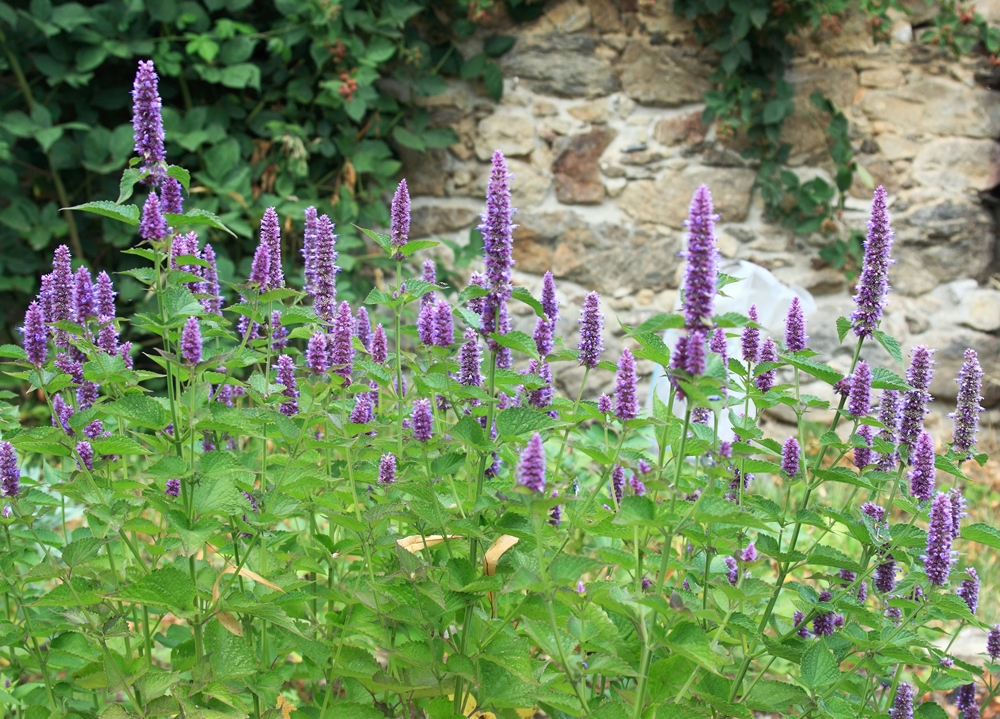
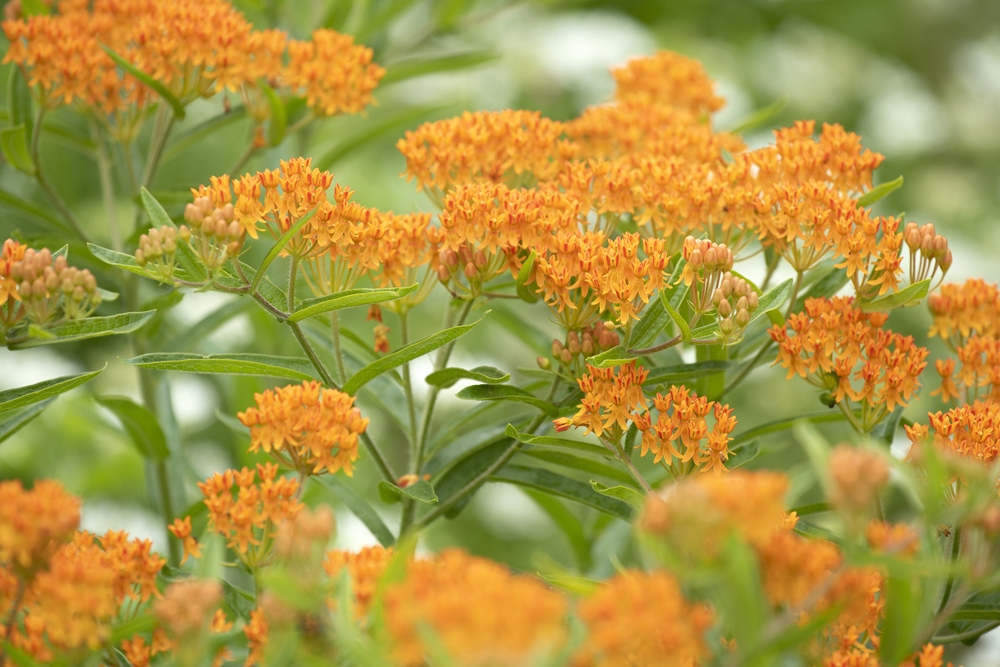
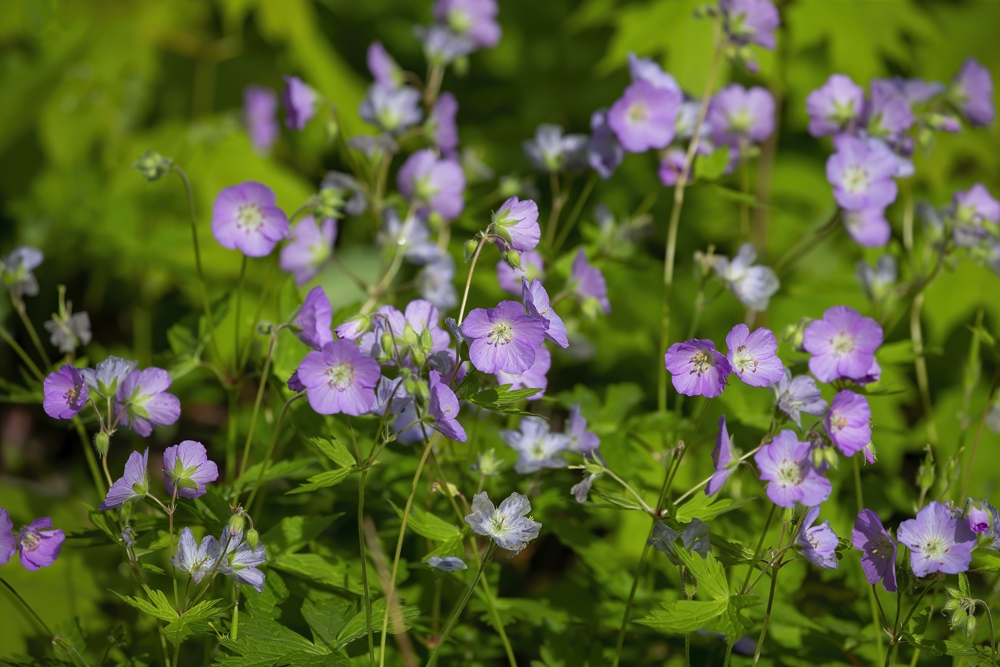
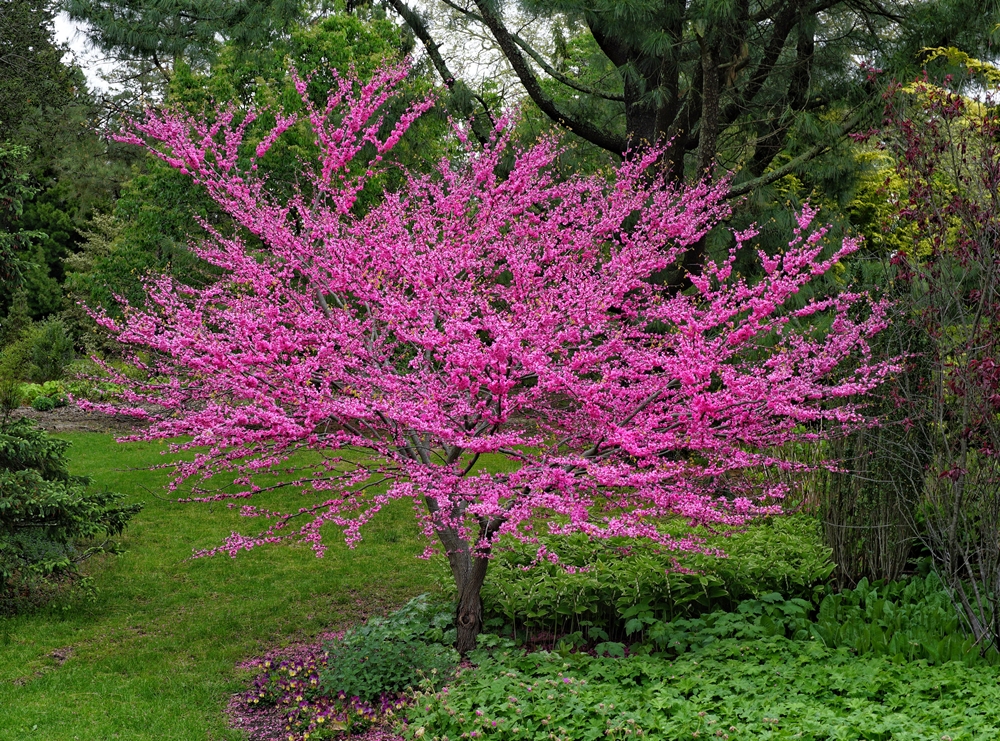
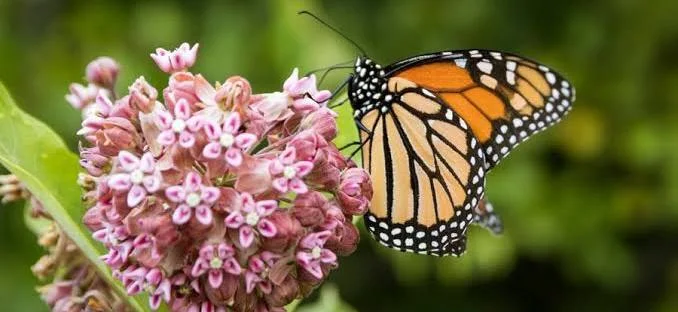
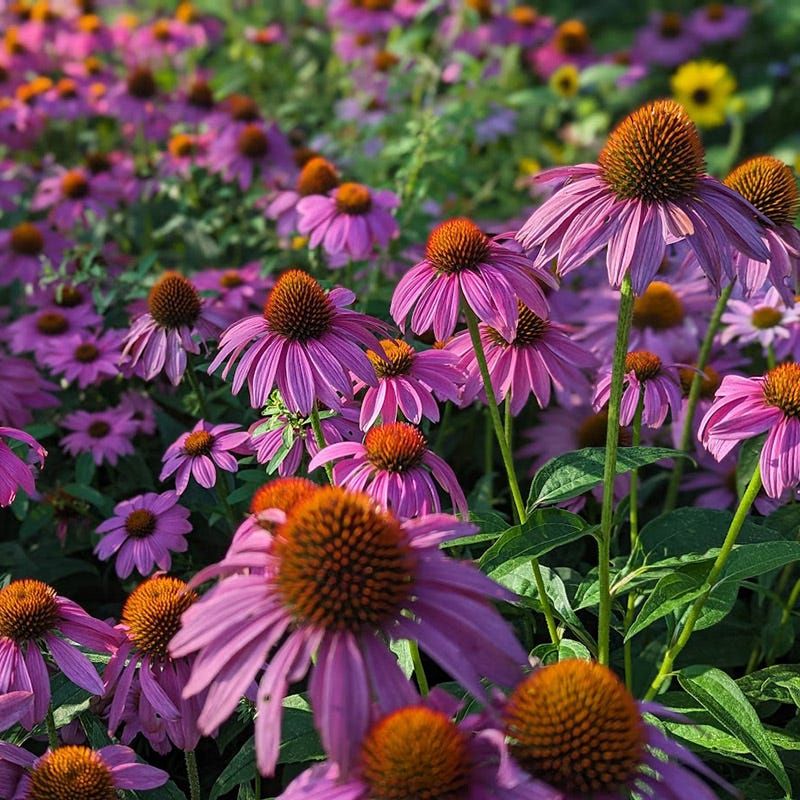
Color is where revegetation shifts from purely functional to experiential, but it has to be introduced with control. Instead of spreading color across the entire property, it should be concentrated in specific areas. Limiting the palette to two or three complementary tones such as soft purples, pinks, or warm oranges keeps the landscape cohesive. Planting in defined drifts rather than scattering individual plants helps color read as part of the design rather than an afterthought. Pairing flowering plants with strong green structure prevents the space from feeling busy. Butterfly weed can be used for intentional, high-impact accents, while New England aster extends color into the fall and purple coneflower provides consistency through the summer. This approach allows the landscape to feel alive without losing its sense of control.

The strongest revegetation plans balance both structure and color. Areas closest to the home, driveway, and primary sightlines should lean more structured with minimal color to maintain a clean, architectural look. Transitional spaces can introduce a mix of structure and seasonal variation, while rear property lines and open areas can support more naturalized, color-forward planting. This creates a clear hierarchy across the property, where each space has a defined role.

Once established, native revegetation requires far less intervention than traditional planting. Consistent watering is only needed during the initial establishment period. After that, these plants are adapted to thrive with minimal input. Mulching helps retain moisture and suppress weeds, while selective pruning maintains shape without forcing the landscape into something unnatural. Fertilizers are typically unnecessary, as native plants are suited to lean soil conditions.

Revegetation does not have to feel like a compromise between compliance and design. When approached correctly, it enhances both. Structure provides clarity and control, while color introduces movement and seasonal interest. Balancing the two creates a landscape that feels complete, intentional, and fully integrated with the Hamptons environment.

Filed Under: Uncategorized

Footer

Contact Us

123 Stephen Hands Path
East Hampton, NY 11937

(631) 488-0064
  • Instagram
  • LinkedIn
  • Phone
  • Pinterest
  • Houzz
  • Yelp

Learn More

  • About Us
  • Our Process

Copyright © 2026 | Creative Design Landscapes | Privacy Policy | Communication Consent & Terms