FOLLOW US ON SOCIAL MEDIA
Follow. Like. Share
Top Hamptons Hardscape Materials: Design Intent and Placement
Hardscape is not just about appearance. It determines how a property feels to walk through, and live in.
Between salt air, sandy soil, humidity, and freeze thaw cycles, material selection is a performance decision. The most successful landscapes are not built around one material. They are layered with purpose, balancing structure, softness, and long term durability.
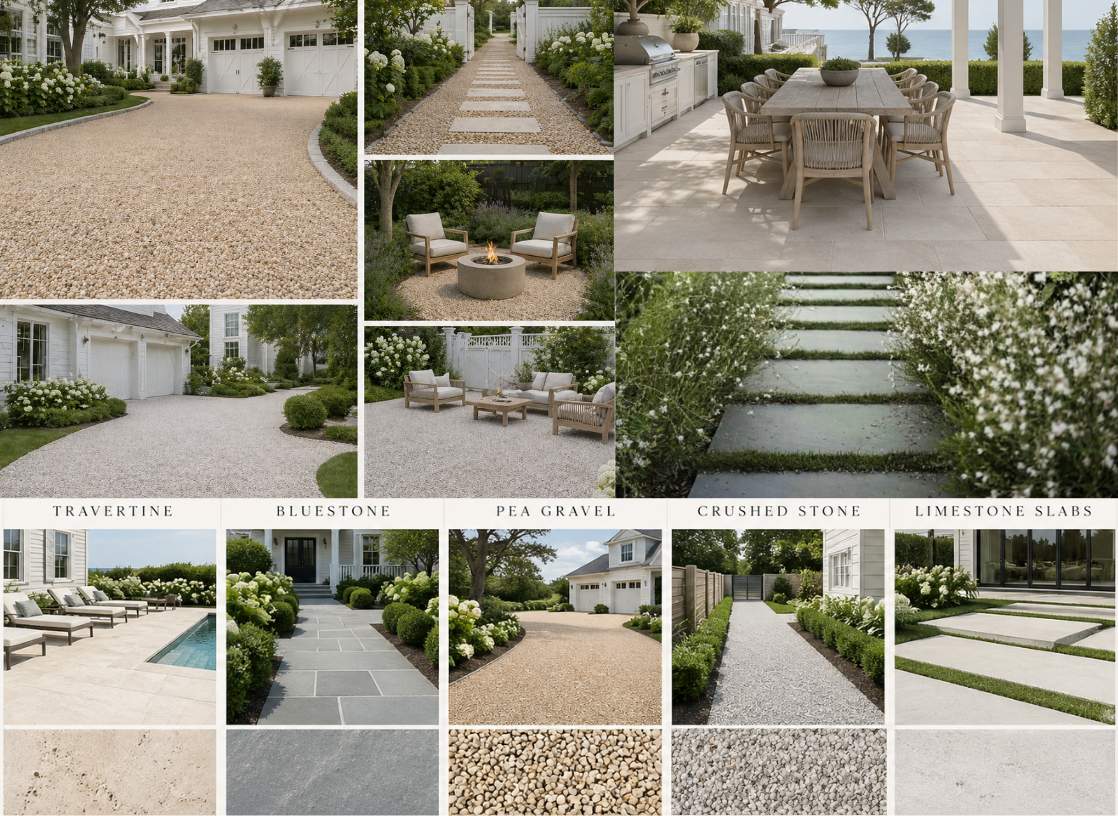
This guide breaks down the five materials that consistently work in the Hamptons, based on where they should be used, what they contribute to the design, how they feel underfoot, and how they age over time.
Bluestone
Placement
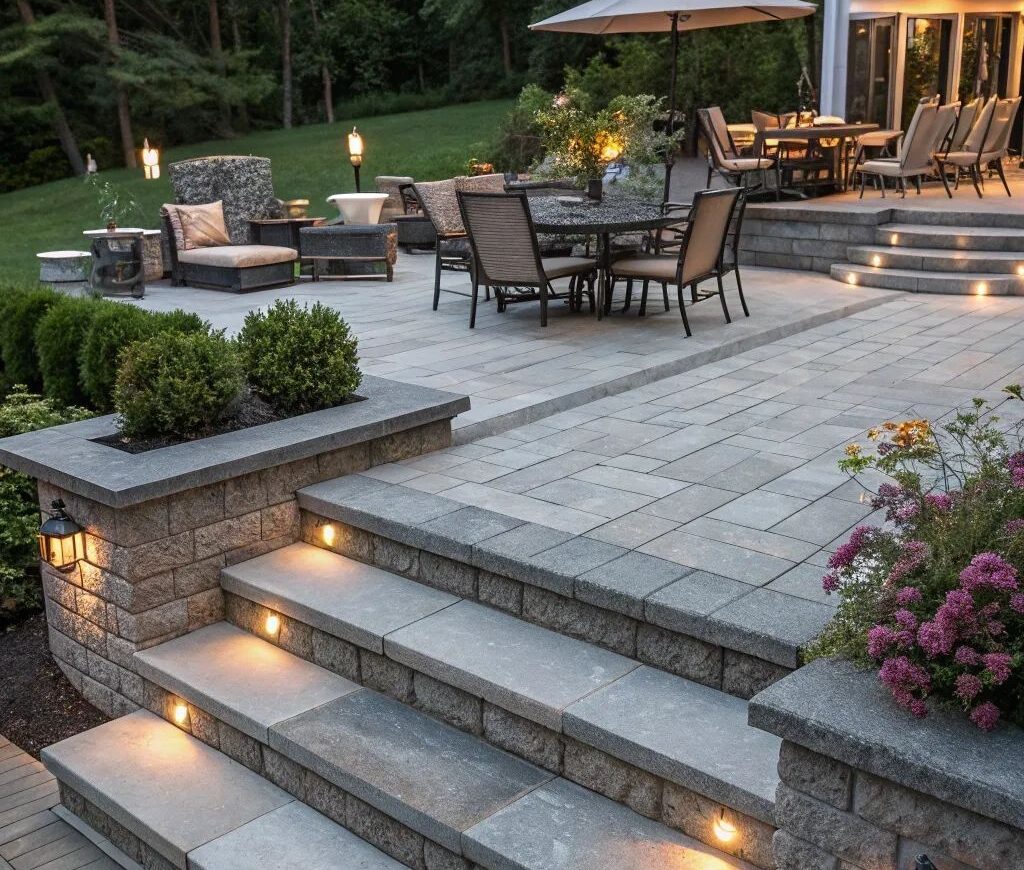
Bluestone is ideal for walkways, front entries, and secondary patios where structure and durability are required.
Design Intent
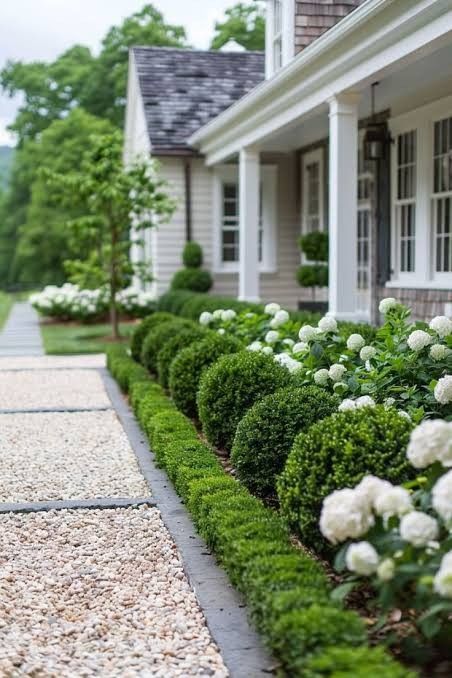
Bluestone introduces contrast and grounding. Its deeper blue gray tones create definition against softer plantings like hydrangeas and boxwood. It is often used to guide movement through a property and anchor key transitions.
Comfort
Bluestone has a firm and solid feel underfoot. It absorbs heat more than lighter stones, so it can feel warmer in direct sun. The texture depends on the finish, but it typically provides good traction.
How It Ages
Bluestone is extremely durable and performs well in freeze thaw conditions. It holds its structure over time and resists cracking when installed properly. The color may slightly soften or develop variation, but it remains consistent overall with minimal maintenance.
LimeStone
Placement
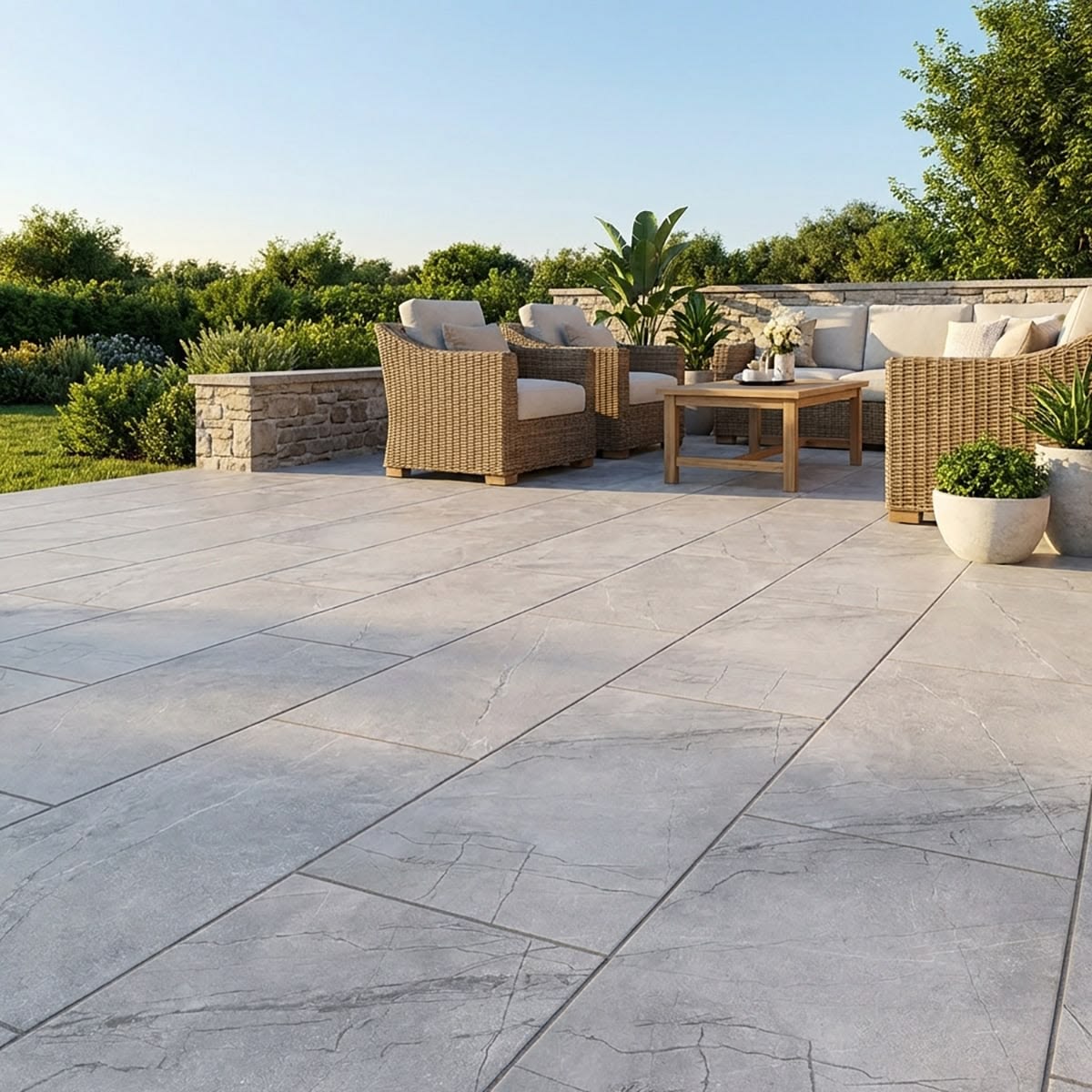
Limestone and large format slabs are used for primary walkways, entry transitions, and terrace extensions.
Design Intent
These materials create structure without visual weight. Large format slabs reduce joint lines and create a more continuous surface. When paired with grass or gravel joints, they provide a balance between architecture and landscape.
Comfort
Limestone surfaces feel smooth, cool, and stable underfoot. The larger format minimizes interruptions, making movement feel seamless and controlled.
How It Ages
Limestone develops a refined, subtle wear over time. The color may soften slightly, but it maintains its overall integrity. Proper sealing helps prevent staining and preserves the clean appearance.
Cedar
Placement
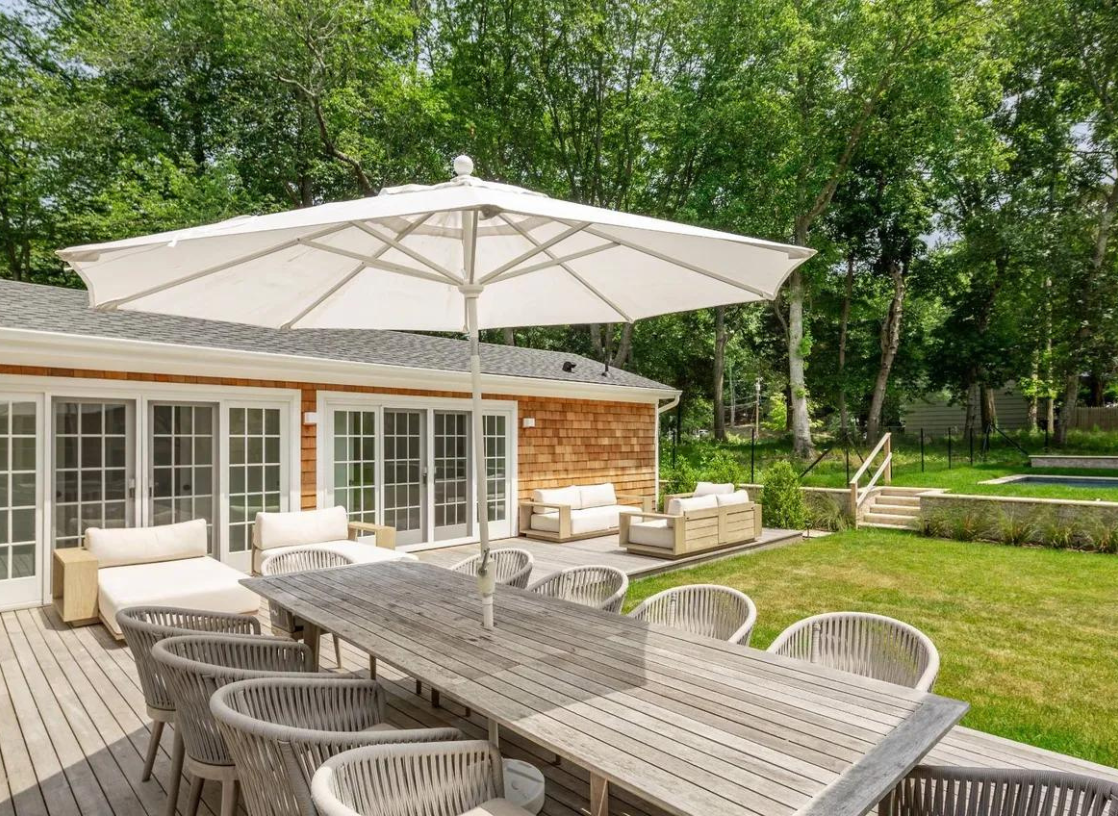
Cedar is used for fencing, outdoor showers, pergolas, decking, and screening elements throughout the property.
Design Intent
Cedar introduces warmth and natural texture that stone alone cannot provide. It softens harder materials and creates a balanced contrast between built elements and the surrounding landscape. It is essential in achieving the relaxed, coastal character associated with the Hamptons.
Comfort
Cedar feels warm and natural underfoot when used for decking. It does not retain heat in the same way as stone and provides a softer, more forgiving surface. Visually and physically, it creates a more approachable and livable environment.
How It Ages
Cedar naturally weathers to a soft gray patina over time if left untreated. This aging process is often desired, as it blends seamlessly with coastal surroundings. If maintained and sealed, it can retain its original tone, but in most Hamptons landscapes, the weathered finish is part of the design.
Pea Gravel
Placement
Pea gravel is commonly used for driveways, garden paths, and informal seating areas.
Design Intent
Pea gravel adds softness and movement. It prevents the landscape from feeling too rigid or overly constructed. It works best in areas where a more relaxed and natural feel is desired.
Comfort
Pea gravel shifts underfoot, creating a loose and natural walking experience. It produces a subtle crunch that adds a sensory layer to the space. While comfortable, it is less stable than solid surfaces.
How It Ages
Pea gravel moves and settles over time. It will require occasional replenishment to maintain coverage and consistency. Without proper edging, it can spread into surrounding areas. When maintained, it continues to look natural and understated.
Crushed Stone
Placement
Crushed stone is best used for secondary driveways, utility paths, and more structured landscape areas where a clean appearance is required.
Design Intent
Crushed stone provides texture while maintaining control. It offers a more refined alternative to pea gravel and is often used when a space needs to feel intentional rather than casual.
Comfort
Crushed stone compacts more tightly than pea gravel, creating a more stable surface underfoot. It still retains some natural texture but provides a cleaner and more predictable walking experience.
How It Ages
Crushed stone settles and stabilizes over time, holding its shape better than looser gravel. It requires less frequent maintenance and maintains a consistent appearance when installed with proper base preparation and edging.
Travertine
Placement
Travertine is best used in pool decks, main patios, and primary entertaining areas where people spend time barefoot.
Design Intent
Travertine creates a bright and open foundation. Its light neutral tones reflect natural light and keep the space feeling expansive rather than heavy. It works especially well with cedar homes, white trim, and restrained planting palettes.
Comfort
Travertine stays cool underfoot even in direct sun. The honed matte finish provides a soft texture that is comfortable for barefoot use and not overly slippery. This makes it one of the most functional materials for poolside environments.
How It Ages
Travertine develops a subtle patina over time. The tone softens slightly and edges may wear in a way that feels natural rather than damaged. Because it is more porous, sealing is required to protect against staining, especially in entertaining areas.