
FOLLOW US ON SOCIAL MEDIA
Follow. Like. Share
Nikko Blue Hydrangeas: A Hamptons Growing Guide for Hydrangea macrophylla
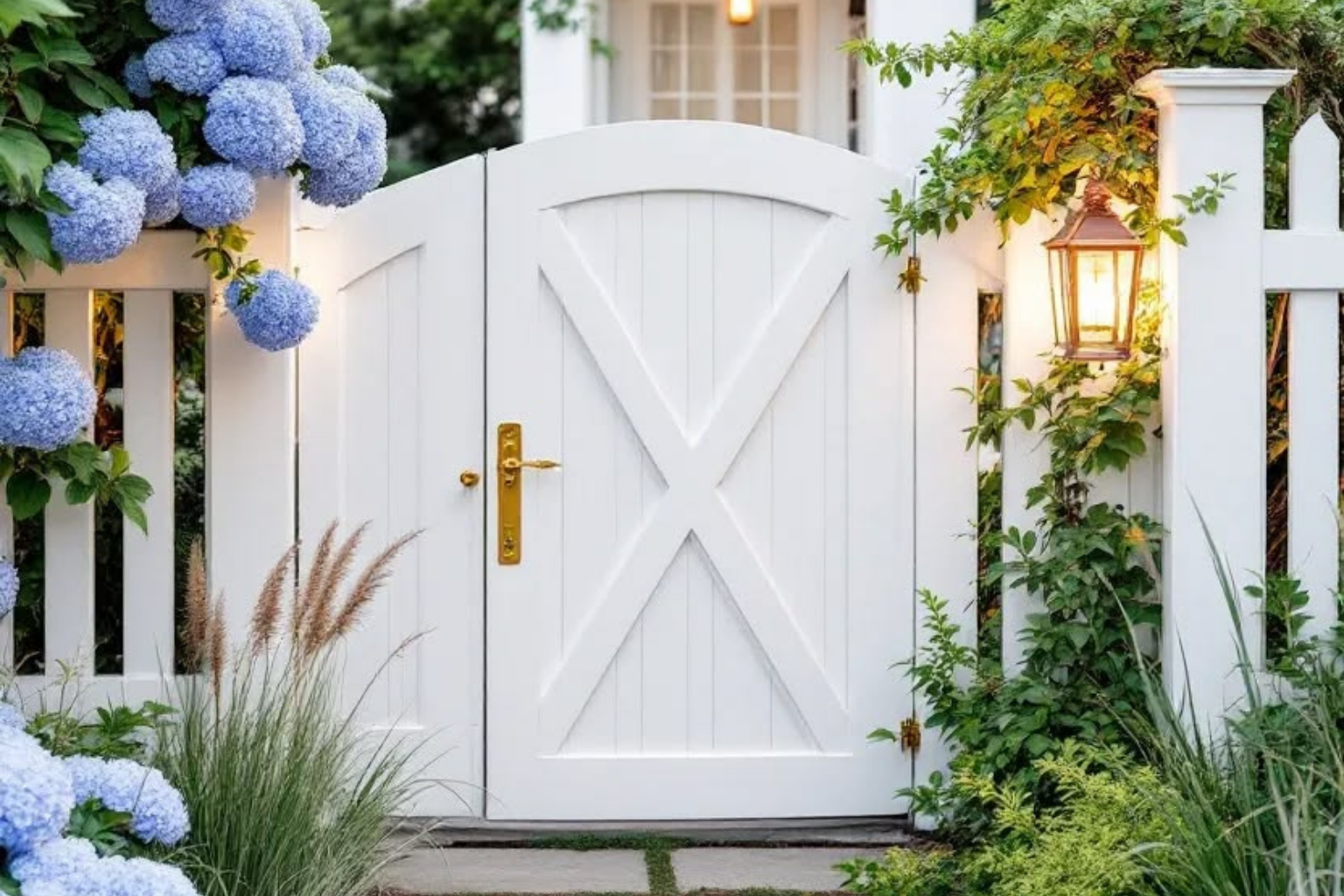
Nikko Blue hydrangeas are the defining summer hydrangea of the Hamptons. When people picture a coastal estate in full bloom, this is typically what they’re seeing—large, rounded blue flowers layered along foundation plantings and garden borders.
But while they’re visually iconic, Nikko Blue hydrangeas are far less forgiving than panicle varieties. Their performance in the Hamptons depends heavily on soil conditions, moisture balance, and protection from coastal exposure.
Why Nikko Blue Hydrangeas Define the Hamptons Look
Nikko Blue is a mophead hydrangea (Hydrangea macrophylla) known for its saturated blue blooms, which are highly dependent on soil chemistry. In acidic soil, flowers turn rich blue. In more alkaline conditions, they shift toward lavender or pink.
This variability is part of what makes them both beautiful and difficult—especially in sandy Hamptons soil, where pH and moisture fluctuate more than in heavier soils.
Nikko Blue Hydrangea Overview
Botanical Name: Hydrangea macrophylla ‘Nikko Blue’
Bloom Type: Mophead (large rounded flower heads)
Bloom Time: Early to mid-summer
Exposure: Partial sun (morning sun, afternoon shade)
Height: 4 to 6 feet
Color: Blue (acidic soil), lavender/pink (alkaline soil)
Bloom Habit: Old wood (sets buds the previous season)
Where They Work Best in the Hamptons
Nikko Blue hydrangeas should be placed intentionally. They are not a “plant anywhere” shrub.
They perform best:
- Along the front of the home (protected foundation beds)
- In enclosed garden rooms with wind protection
- Behind hedging that buffers salt air
- In areas with irrigation control (not exposed dry zones)
- As soft borders along structured hardscape (bluestone, gravel, brick)
They struggle in:
- Open, wind-exposed lawns
- Driveway edges with heat reflection
- Poorly irrigated sandy soil
- Heavy deer traffic areas
Soil, Color, and Performance
Color control is one of the most misunderstood aspects of Nikko Blue hydrangeas.
Blue blooms require acidic soil (pH ~5.2–5.5). In the Hamptons, soil often trends neutral to slightly alkaline, meaning consistent blue color requires intentional amendment.
To maintain blue tones:
- Use aluminum sulfate or soil acidifiers
- Incorporate organic matter regularly
- Avoid lime-heavy materials nearby (including certain gravels or stone dust)
Without this, blooms will fade into purple or pink tones over time.
Planting Nikko Blue Hydrangeas
Plant in spring or early fall to allow roots to establish before temperature extremes.
Amend sandy soil with compost to improve water retention. The goal is moisture consistency—not saturation.
Position plants so the root ball sits level with the surrounding soil. Water deeply after planting and maintain consistent irrigation during the first growing season.
Watering and Moisture Balance
Nikko Blue hydrangeas are highly sensitive to inconsistent watering.
Too little water leads to:
- Wilting
- Reduced bloom size
- Bud drop
- Too much water leads to:
- Root stress
- Fungal issues
- Weak growth
In Hamptons landscapes, irrigation should be precise—not excessive. These plants respond best to steady, even moisture.
Pruning Nikko Blue Hydrangeas
Nikko Blue blooms on old wood, meaning flower buds are formed the previous season.
Improper pruning is one of the main reasons homeowners lose blooms.
Do not prune in late fall, winter, or early spring.
Only prune:
- Immediately after flowering
- To remove dead wood or shape lightly
- Cutting at the wrong time removes the next season’s flowers entirely.
Disease Pressure in Coastal Environments
Due to humidity and dense planting styles, Nikko Blue hydrangeas are prone to fungal issues in the Hamptons.
Common problems include:
- Cercospora leaf spot
- Powdery mildew
- Anthracnose
Without preventative care, plants can decline quickly—losing foliage early and producing weaker blooms.
Proper spacing, airflow, and fungicide programs are often necessary for consistent performance.
Deer Pressure
Nikko Blue hydrangeas are highly attractive to deer. Buds and blooms are especially vulnerable in early summer.
Protection is often required, including:
- Repellents
- Strategic placement closer to the home
- Layered planting with less desirable species
Nikko Blue hydrangeas should never be overused or scattered randomly across a property. Their strength is in controlled, intentional placement.
In Hamptons design, they work best when:
Grouped in clean, repeated masses
Paired with structured greenery (boxwood, hedging)
Balanced with neutral tones (white, soft greens, natural stone)