
FOLLOW US ON SOCIAL MEDIA
Follow. Like. Share
Panicle Hydrangeas: A Hamptons Growing Guide for Hydrangea paniculata
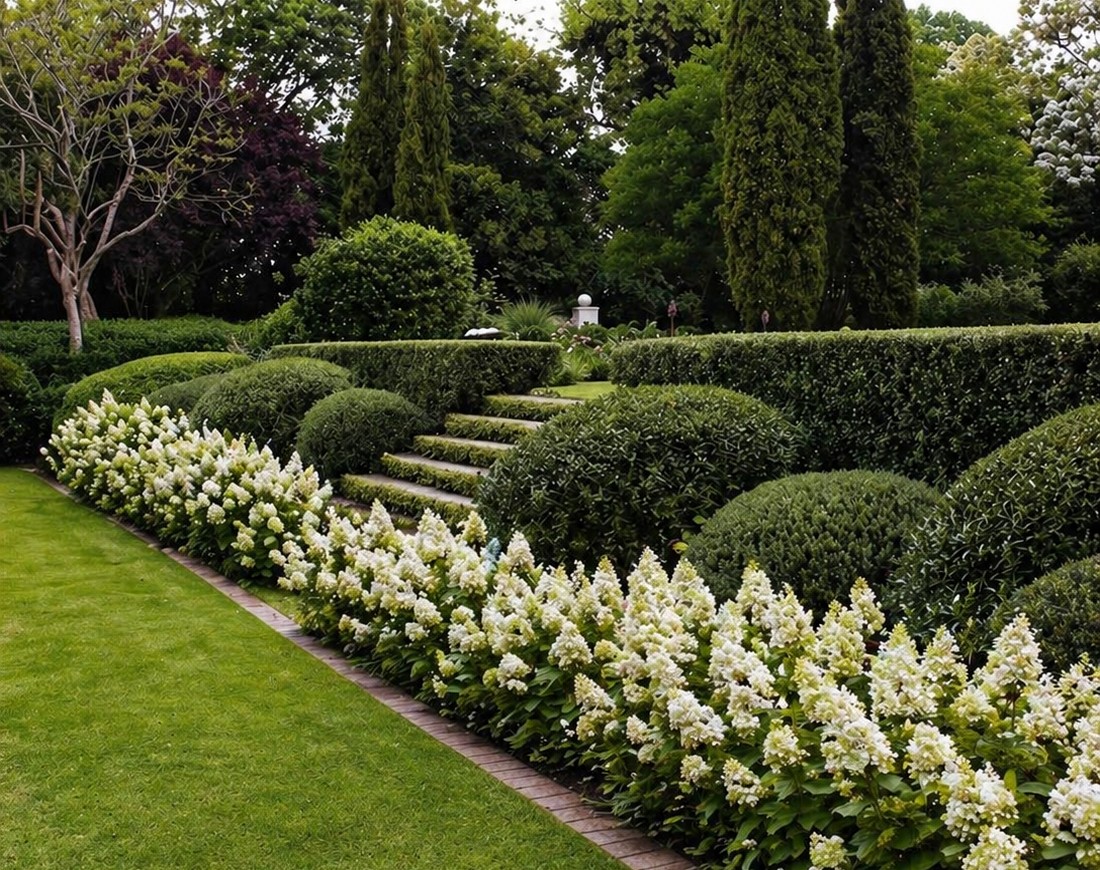
Panicle hydrangeas are one of the most reliable hydrangeas for Hamptons landscapes. Known for their cone-shaped blooms, sturdy growth, and late-season color, Hydrangea paniculata offers a more structured alternative to the classic mophead hydrangea.
Unlike bigleaf hydrangeas, panicle hydrangeas bloom on new wood, making them more dependable after harsh winters and easier to prune with confidence. They are also more sun-tolerant than many other hydrangea types, performing best with morning sun, afternoon protection, and well-drained soil.
Why Panicle Hydrangeas Work in the Hamptons
In coastal landscapes, plant performance matters. Salt air, sandy soils, wind exposure, deer pressure, and seasonal moisture swings all influence how hydrangeas behave. Panicle hydrangeas are not completely carefree, but they are among the stronger choices for estate borders, driveway edges, poolside transitions, and late-summer garden structure.
They bloom from summer into fall, opening in shades of white, cream, or lime green before aging into soft pink, rose, or deeper blush tones as temperatures cool.
Panicle Hydrangea Overview
Botanical Name: Hydrangea paniculata
Bloom Time: Summer to fall
Exposure: Full sun to partial shade
Best Light: Morning sun with afternoon shade in hot or exposed areas
Height: 3 to 15 feet depending on variety
Bloom Shape: Cone-shaped panicles
Landscape Use: Borders, hedges, foundation plantings, poolscapes, driveway edges, screening, containers, and tree-form accents
Best Uses in Hamptons Landscapes
Panicle hydrangeas are especially useful when a landscape needs height, repetition, and seasonal softness without feeling overly colorful or busy.
They work well for:
- Foundation plantings along cedar-shingle homes
- Structured driveway borders
- Poolside planting beds with ornamental grasses or lavender
- Large estate hedges
- Tree-form accents near entries or patios
- Late-season garden structure after spring blooms fade
- Container plantings for terraces and courtyard spaces
Planting Panicle Hydrangeas
Plant in spring or fall when temperatures are mild. Avoid planting during extreme summer heat or during periods of drought stress.
Choose a location with good drainage and at least 4 to 6 hours of sun. In the Hamptons, morning sun is ideal, especially near reflective surfaces, gravel drives, bluestone patios, or pool areas where heat can intensify.
Before planting, amend sandy soil with compost or organic matter to help retain moisture without creating soggy conditions.
Care Notes
Panicle hydrangeas prefer consistent moisture, especially while blooming. They should not be allowed to dry out completely, but overwatering can create root stress and disease issues.
A layer of mulch helps keep roots cool, conserve moisture, and reduce weed pressure. Fertilizer should be used lightly; too much can encourage leafy growth at the expense of strong blooms.
Pruning Panicle Hydrangeas
Panicle hydrangeas bloom on new wood, meaning they flower on the current season’s growth. Prune in late winter or early spring before active growth begins. A lighter pruning helps maintain stronger stems, while harder pruning can produce vigorous growth that may need more support.
Remove dead, damaged, crossing, or weak branches. For tree-form panicle hydrangeas, avoid cutting into the main trunk.
Deer Pressure
Panicle hydrangeas are not deer-resistant. Deer may browse leaves, buds, and flowers, especially on young plants or in areas with heavy deer activity. In Hamptons landscapes, protection is often necessary through repellents, placement strategy, or companion planting with more deer-resistant shrubs.
Common Issues
Panicle hydrangeas are generally durable when planted correctly, but stress can still occur from poor drainage, excessive heat, drought, overwatering, or limited airflow.
Watch for:
- Leaf spot
- Powdery mildew
- Bud blight
- Aphids
- Mites
- Scale
- Root stress from saturated soil
- Preventative care, proper spacing, and consistent watering are key to maintaining clean foliage and strong bloom performance.
Best Panicle Hydrangea Varieties for Refined Landscapes
Limelight
Large lime-green blooms that mature to cream and blush. Best for bold structure, hedging, and estate-scale planting.
Limelight Prime
A more compact, improved form with stronger stems and earlier color development.
Little Lime
A smaller version of Limelight, ideal for foundation beds, smaller borders, and layered plantings.
Bobo
Compact and flower-heavy, best for smaller gardens or mass planting where height is limited.
Pinky Winky
Two-toned white and pink blooms with strong vertical interest.
Quick Fire
Blooms earlier than many panicle hydrangeas and shifts to pink-red tones as the season progresses.
Vanilla Strawberry
Large creamy blooms that mature into strawberry-pink tones; best used carefully where a more colorful look is desired.