
FOLLOW US ON SOCIAL MEDIA
Follow. Like. Share
An Intentional Approach to Poolside Design
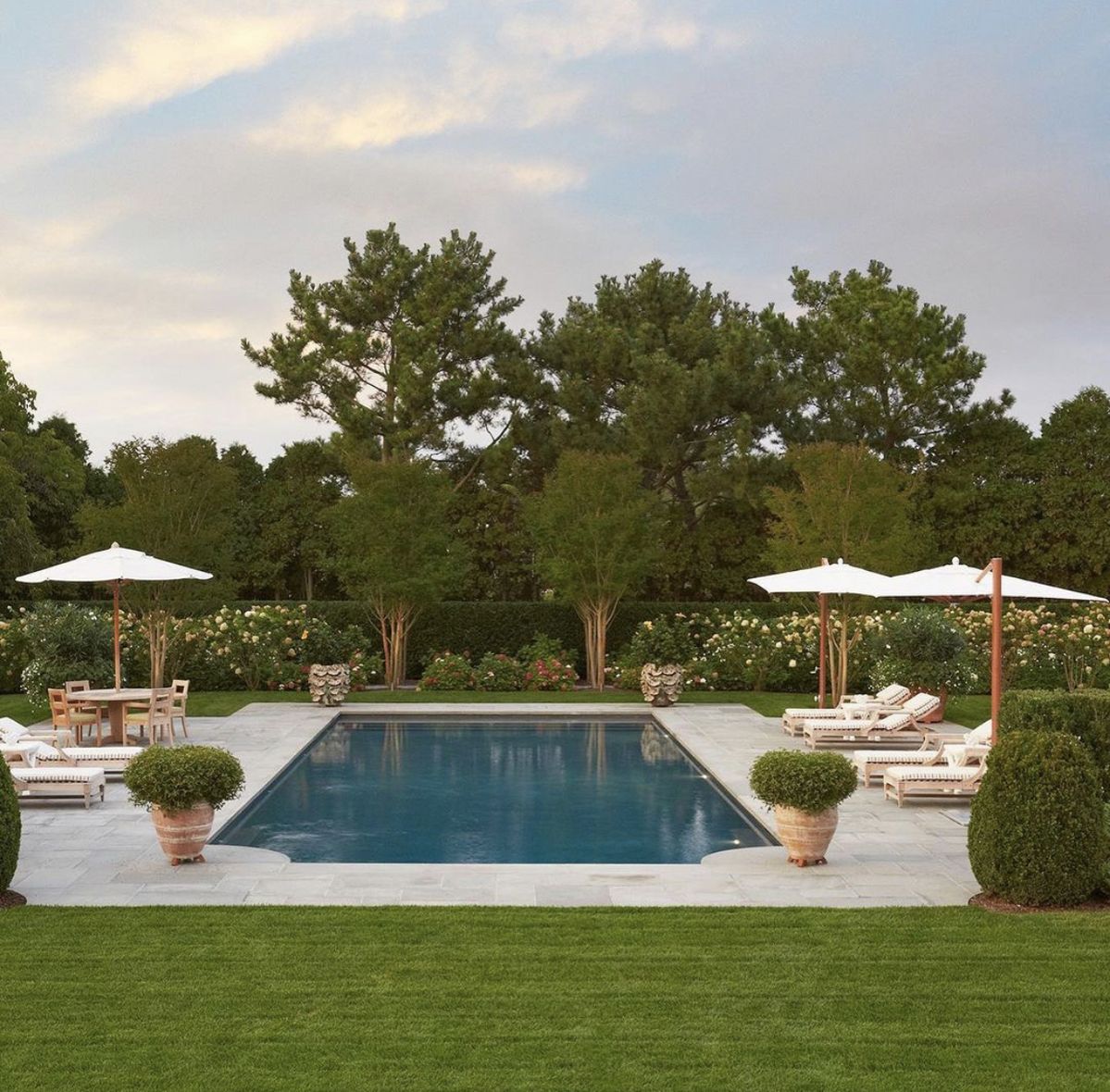
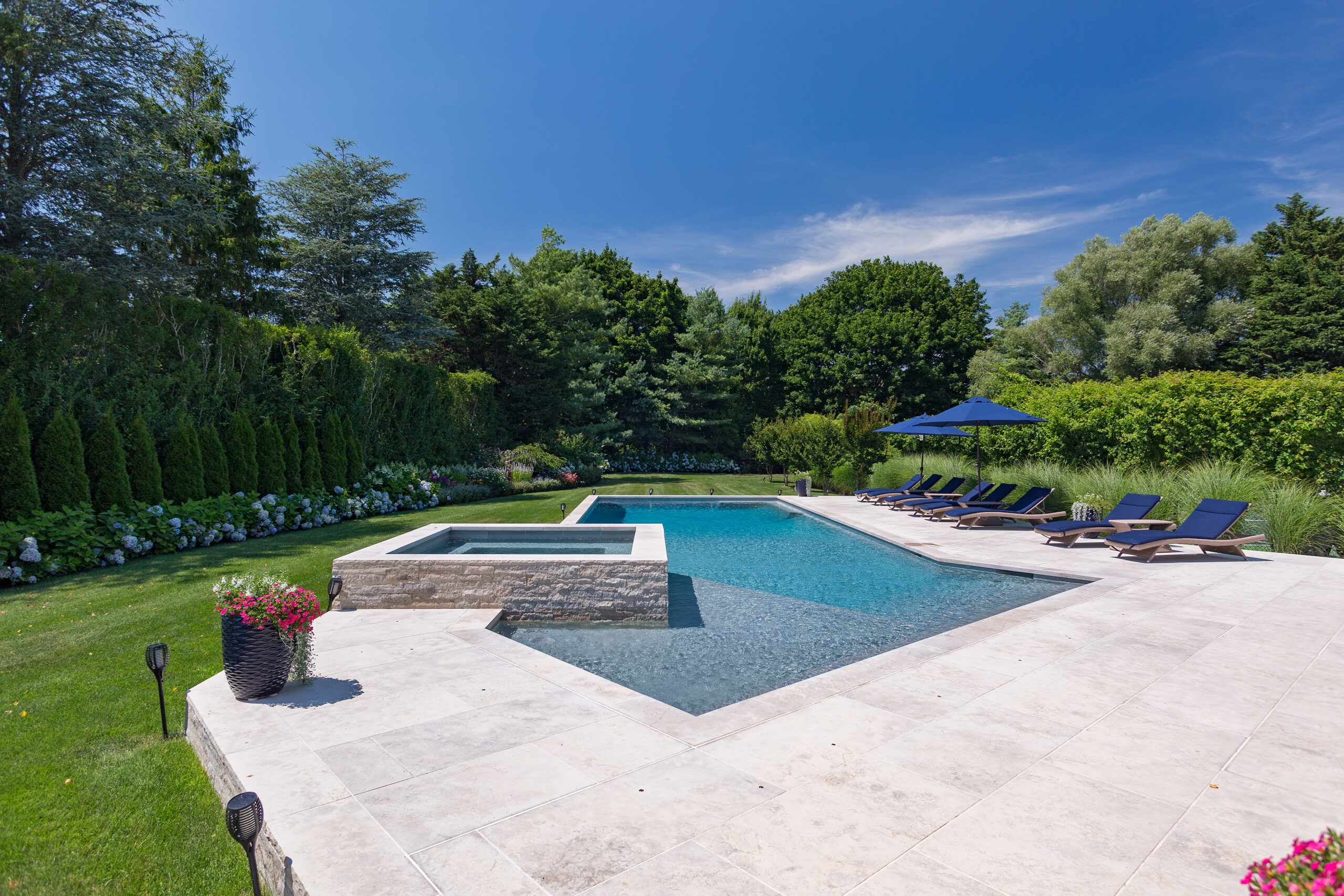
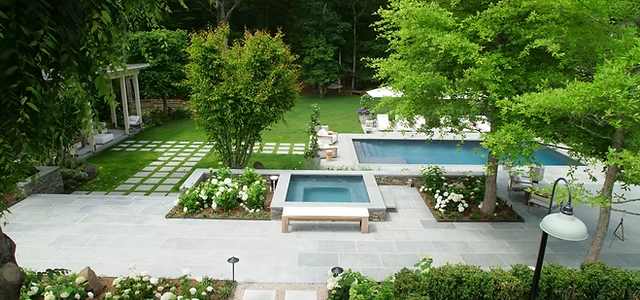
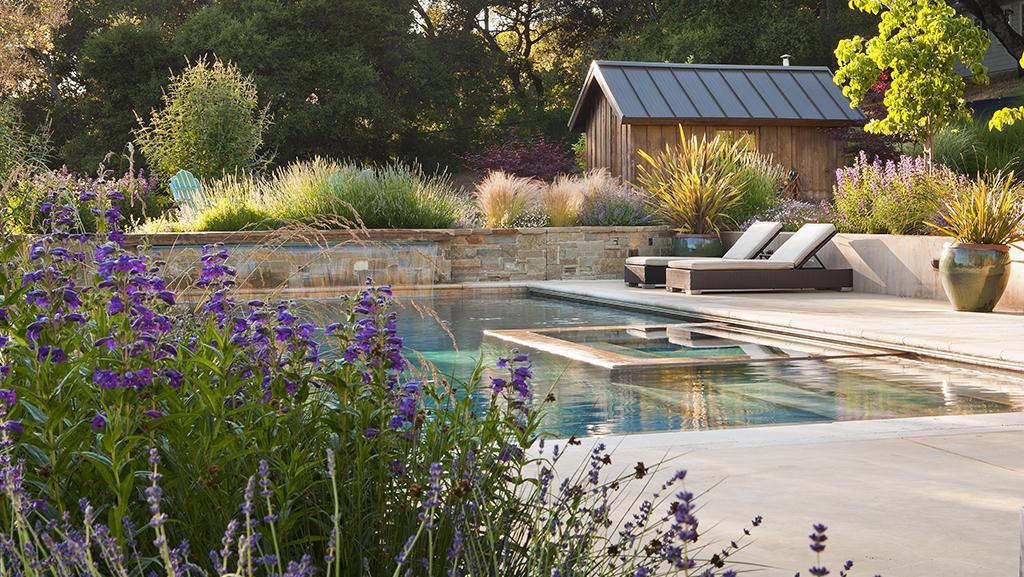
Planting around a pool should feel controlled, layered, and intentional. It’s not about filling space—it’s about shaping it. Ornamental grasses introduce movement and soften hard edges without overwhelming the layout, while a restrained touch of lavender adds fragrance, subtle contrast, and natural mosquito resistance. The palette should stay grounded in green, allowing texture and form to carry the design rather than relying on excessive color.
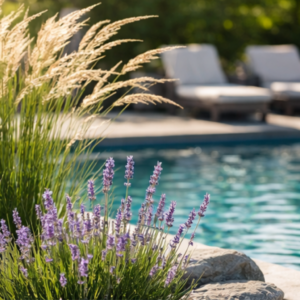
This keeps the space calm, cohesive, and visually aligned with the architecture.
Comfort comes down to how the space functions day to day. Circulation around the pool should feel effortless, with clear pathways that don’t interrupt the experience. Seating should feel placed, not dropped in—positioned to take advantage of sun, shade, and privacy. Materials matter more than most people realize. Surfaces that hold too much heat or feel harsh underfoot immediately take away from the experience. When the layout is right, the space becomes intuitive to use—nothing feels forced, and nothing needs to be adjusted.
Most poolscapes feel off because there’s too much competing for attention. Multiple materials, scattered planting styles, and inconsistent design choices break the visual flow. Simplifying the palette—both in materials and planting—creates continuity. Instead of introducing more elements, the focus should be on refining what’s already there. Clean edges, consistent lines, and repetition in planting create a sense of order that reads as high-end without needing to overdesign.
Restraint is what separates a well-designed poolscape from an average one. Too much color, too many plant varieties, or overly decorative features quickly make the space feel busy. High-end environments rely on subtle variation—slight shifts in texture, tone, and scale—to create interest. This approach allows the architecture, water, and layout to remain the focal point while the planting supports the overall experience rather than competing with it.
A poolscape should also improve over time. As plantings mature and fill in, and as materials naturally weather, the space should feel more grounded and established—not overgrown or disjointed. This only happens when there is a clear design direction from the beginning and a maintenance approach that protects it. Without that consistency, even a well-designed space can lose its structure.
Upgrading a poolside isn’t about adding more—it’s about correcting what isn’t working. Spaces that feel underwhelming, crowded, or disconnected usually need refinement, not expansion. Opening up key areas, redefining edges, and simplifying planting can completely shift how the space feels.
The goal is to create an environment that feels balanced, easy to move through, and naturally inviting—one that supports how you actually want to spend time outdoors, without constant adjustment or upkeep.